
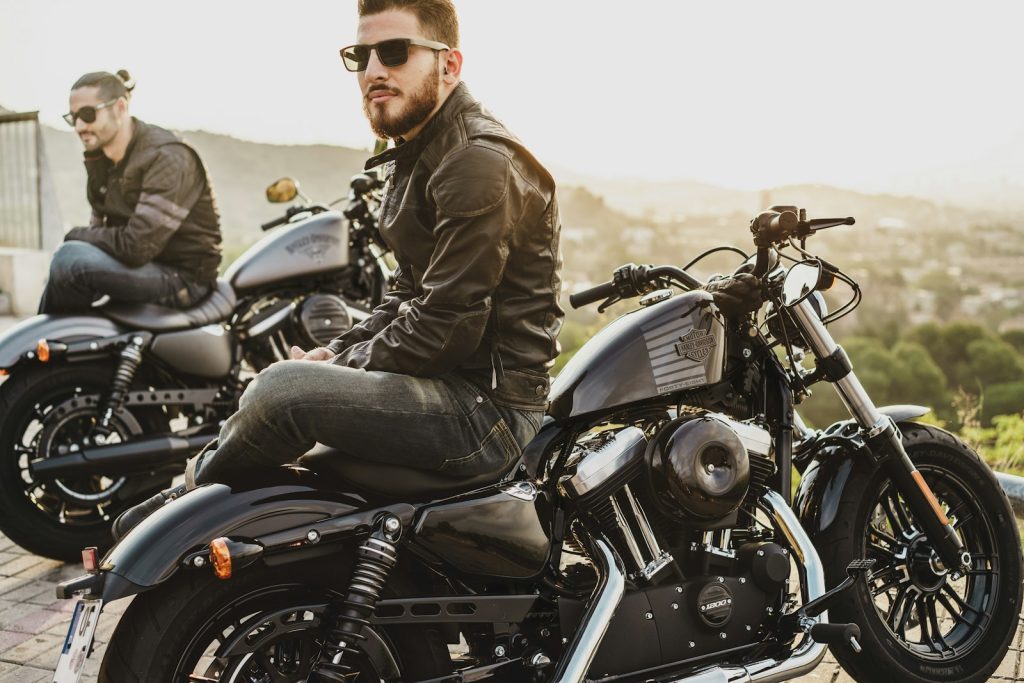
Motorcycle riding is more than a hobby — it’s a lifestyle. But for many riders, motorcycle back pain becomes the one thing that limits how long they can stay on the road. Low back pain, stiffness, and even sciatica symptoms while riding are extremely common among motorcycle riders. I love riding motorcycles, it is one of the most fun and freeing things I have ever done. After several days of riding enduros (on and off-road) in the Colorado Rockies, I began to experience soreness and pain in my back, so I figured I would write this post to share what I know about back pain and why sometimes it can be pain to ride.
At Metta Health Physical Therapy, we regularly help riders who love their bikes but are frustrated that back pain starts within minutes of riding. The good news is that motorcycle-related back pain is not something you just have to “live with.”
Why Motorcycle Riding Causes Back Pain and Sciatica
Motorcycle riding places unique and repetitive stress on the spine. Over time, these stresses can lead to low back pain, disc irritation, and sciatic nerve symptoms.
Common causes of motorcycle back pain include:
1. Sustained Riding Posture
Many motorcycles — especially cruisers and touring bikes — place riders in a prolonged seated posture with limited ability to change position. This sustained “flexed” posture increases pressure on the lumbar discs and surrounding tissues, especially during longer rides.
2. Vibration Through the Spine
Motorcycle vibration travels directly from the seat, handlebars, and foot pegs into the spine. Prolonged vibration exposure is known to irritate spinal joints, discs, and nerves, contributing to chronic back pain and sciatica. Vibration has other physiologic affects that can make affect back pain such as increase nerve sensitivity, decrease blood flow, and muscle tone.
3. Core Muscle Fatigue
Motorcycle riding requires core endurance, not just strength. When the deep core muscles fatigue, the spine loses stability, increasing strain on the lower back and sciatic nerve. I have seen big strong guys have some of the worst pain. Because they lack the endurance in the core muscles to maintain support, they stressed the discs leading to pain and discomfort.
4. Limited Hip and Thoracic Mobility
Stiff hips and an immobile upper back force the lower back to compensate. This excessive motion often triggers low back pain and radiating leg symptoms while riding.
5. Long Rides Without Breaks
Long, uninterrupted riding sessions increase spinal compression and nerve irritation — especially in riders with a history of back pain or disc injuries. The longer the stress is applied to the body the more likely those tissues will have problems. Focusing on improved posture, improving endurance, and increased flexibility can increase the time you are able ride pain free.
Case Study: Harley Rider with Back Pain and Sciatica
One of our patients (we’ll call him Mark) is an experienced Harley rider who regularly rode with a group of friends.
Before starting physical therapy, Mark started to experienced:
- Low back pain within 5 minutes of riding
- Shooting pain down his leg (sciatica)
- Tingling and discomfort that forced him to stop riding early
Despite trying stretching, seat adjustments, and rest, his motorcycle back pain continued to worsen. Eventually, he stopped riding with his group altogether.
How Physical Therapy Helped His Motorcycle Back Pain
Mark’s treatment focused on addressing the root causes of his pain, not just the symptoms:
- Improving core endurance and spinal stability
- Restoring hip mobility to offload the lower back
- Improving thoracic spine movement for better riding posture
- Educating him on rider-specific posture and positioning
- Gradually returning to riding with a structured progression plan
The Outcome
After completing physical therapy:
- Mark returned to riding with his group
- He rode over 2 hours without back pain or sciatica
- He finished rides feeling fatigued, but pain-free
Most importantly, he got his riding lifestyle back.
Tips to Reduce Motorcycle Back Pain While Riding
If you experience low back pain or sciatica while riding a motorcycle, these strategies can help:
1. Train Core Endurance
Exercises like planks, dead bugs, and anti-rotation movements help support the spine during long rides.
2. Improve Hip Mobility
Better hip mobility reduces excessive movement and strain on the lower back.
3. Take Planned Riding Breaks
Stopping every 20–30 minutes to stand, walk, or change position can significantly reduce spinal stress.
4. Optimize Riding Posture
Small changes to seat height, handlebar reach, or foot peg placement can make a major difference in back comfort.
5. Address Sciatica Early
Pain, numbness, or tingling down the leg is a sign of nerve irritation. Early treatment prevents long-term setbacks and prolonged riding limitations.
Physical Therapy for Motorcycle Back Pain
You don’t have to stop riding because of back pain. Physical therapy for motorcycle riders focuses on improving mobility, endurance, posture, and recovery — so you can ride longer and more comfortably.
At Metta Health Physical Therapy, we help motorcycle riders:
- Reduce low back pain and sciatica
- Improve riding tolerance and endurance
- Stay active and continue riding safely
If motorcycle riding matters to you, your care should reflect that.
Ride longer. Ride stronger. Ride pain-free.
Frequently Asked Questions About Motorcycle Back Pain
Is motorcycle riding bad for your back?
Motorcycle riding can increase stress on the lower back due to prolonged sitting, vibration, and limited movement. Riders with poor core endurance, limited hip mobility, or prior back injuries are more likely to experience back pain or sciatica. With proper conditioning, posture, and physical therapy, many riders can ride comfortably without pain.
Why do I get sciatica when riding a motorcycle?
Sciatica while riding often occurs due to prolonged spinal compression, vibration exposure, and nerve irritation. Riding posture, stiff hips, and core fatigue can increase pressure on the sciatic nerve, leading to pain, numbness, or tingling down the leg.
Can physical therapy help motorcycle back pain?
Yes. Physical therapy can help motorcycle riders reduce back pain and sciatica by improving core endurance, hip mobility, spinal mechanics, and riding posture. A rider-specific program focuses on the unique demands of motorcycle riding rather than generic back exercises.
Should I stop riding if I have back pain?
Not necessarily. Many riders can continue riding safely with the right treatment plan. Addressing the underlying causes of back pain early often allows riders to return to longer, more comfortable rides without worsening symptoms.
What exercises help motorcycle back pain?
Exercises that improve core endurance, hip mobility, and spinal control are most effective. These may include planks, dead bugs, hip mobility drills, and thoracic spine mobility exercises. A physical therapist can tailor exercises specifically for motorcycle riding demands.
How long should I be able to ride without back pain?
With proper conditioning and treatment, many riders are able to ride 1–2 hours or longer without pain. Riding tolerance varies based on posture, bike setup, physical conditioning, and previous injury history.

i just had my spinal cord stimulator removed which has reduced my lower back & leg pain by 80% – the incisions are healing after 5 days- how long should one wait before getting back on bike for short street rides?
Great question! Since the stimulator has been removed, not much healing is required, and it sounds like you are well on your way. The area where the device was removed should have little trauma aside from the incision site. The area where the wires were placed should heal quickly too. There should be no real structural damage, so assuming you have good strength, flexibility, and pain is manageable you should be able to ride within 1-2 weeks! I would be happy to know how it goes for you or if you have any other questions please reach out. Disclaimer: Take caution especially if you have not been riding recently. My recommendation is based on normal healing times and only concerning the device removal. Without additional information or assessment I assume no responsibility for injury or complications.